A service dog for anxiety or psychiatric disability is a service dog because it performs a task tied to the disability.
That task might include:
- Alerting to rising anxiety or panic before the handler consciously notices
- Interrupting dissociation or panic through trained nudging or pressure
- Creating space, grounding the handler, or guiding them out of overload
The key point:
The dog does something specific that mitigates the disability.

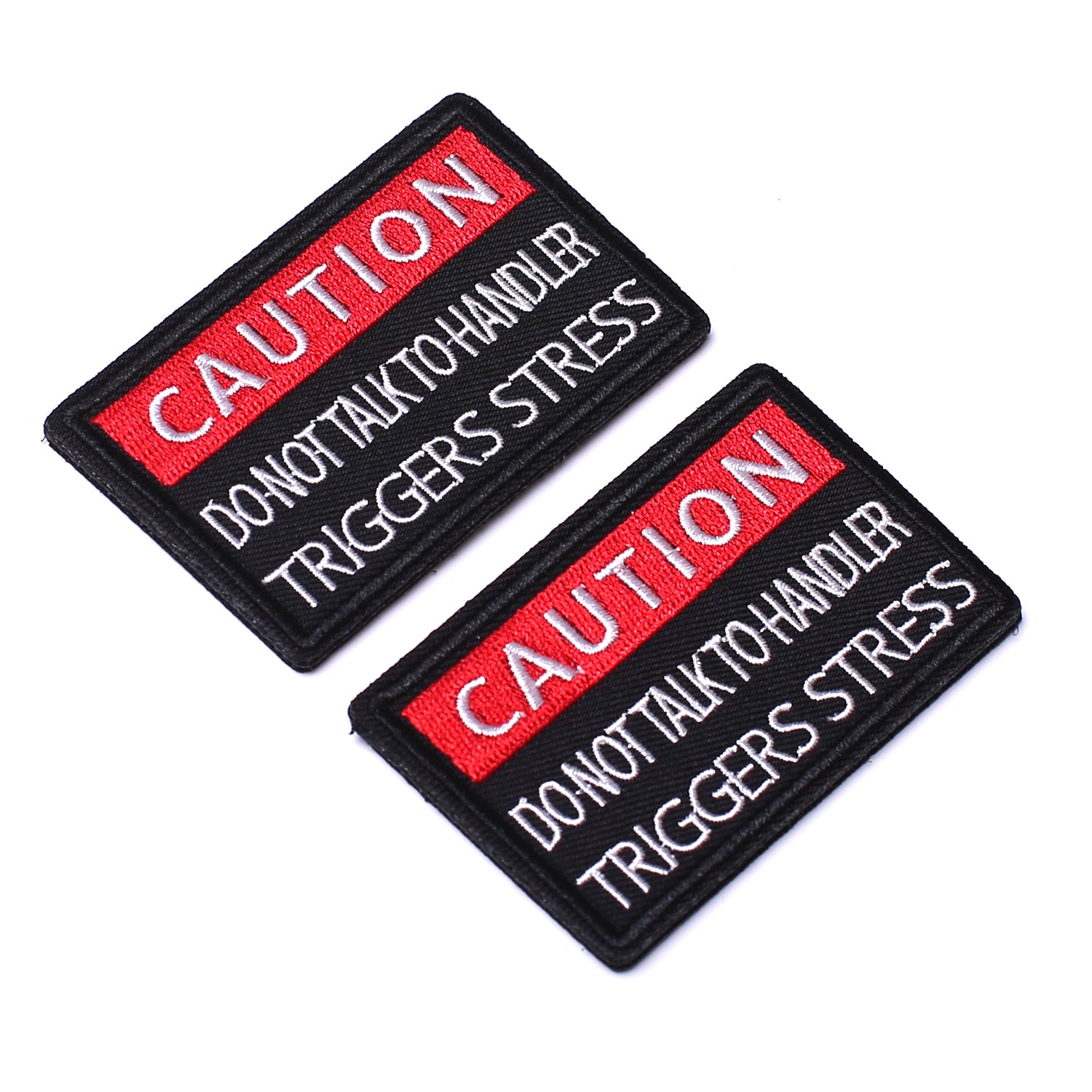

🚨 The Part People Get Wrong on Purpose
Here it is, plainly:
❌ There is NO prescribed behaviour list
❌ There is NO universal script
❌ There is NO requirement that the dog behave in one narrow, aesthetic way
Why?
Because disabilities are not uniform.
An anxiety-alert dog may:
- Sit close
- Paw lightly
- Lean
- Nudge
- Change position
- Refuse to move
- Interrupt a pattern
What matters is function, not optics.
If the behaviour is trained
and it alerts or assists
and it mitigates the disability
then it is a service dog.
Full stop.
🎭 Why This Gets Weaponized
People love rules they can point at – especially when they don’t exist.
So you’ll hear things like:
- “That doesn’t look like a service dog”
- “It didn’t do the right thing”
- “It was just sitting there”
- “That’s only emotional support”
That’s not law.
That’s ignorance dressed up as authority.
Psychiatric service dogs do not perform for spectators.
⚖️ The Actual Legal Line (Very Simple)
- ESA → comfort by presence → not task-based
- Service dog → trained task tied to disability → legally protected
There is no bonus test.
No obedience Olympics.
No public performance requirement.
Just: task + disability.
🧠 Final Reality Check
If someone keeps collapsing anxiety-alert service dogs into ESAs, they are either:
- uninformed, or
- deliberately minimizing psychiatric disability.
Neither is acceptable.
Disabilities don’t need to look dramatic to be real.
And service dogs don’t need to entertain you to be legitimate.
