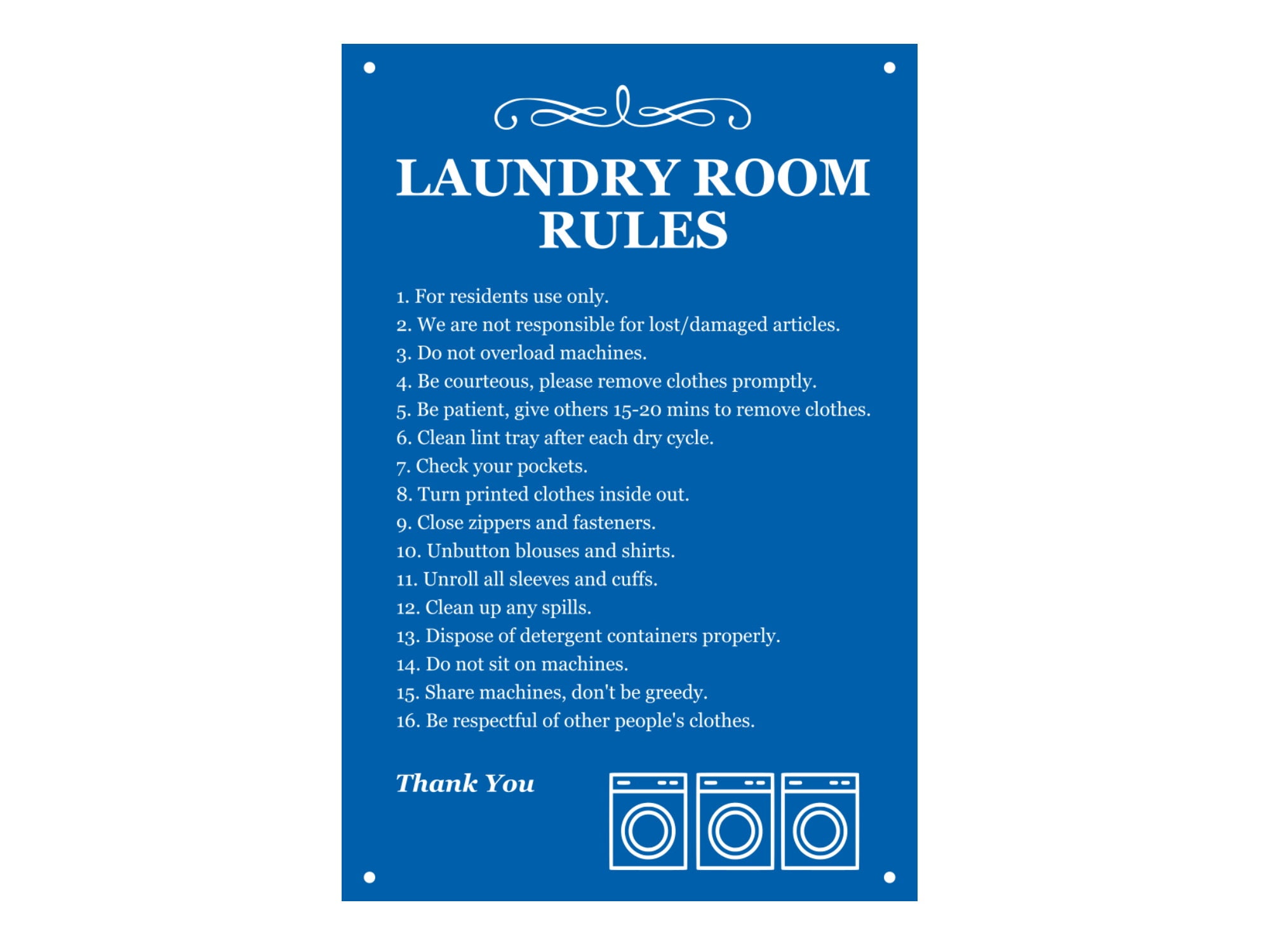
This week, residents received an urgent communication.
Not about security.
Not about safety.
Not about criminal activity in our building.
No.
It was about laundry.
We were instructed to set timers so we don’t “hold the machines.”

Efficiency first. Civilization depends on it.
Meanwhile, in December, there were break-ins in our garage.
Cars were entered. Windows were smashed. Property was damaged.
And residents? Not informed.

🧺 The Emergency: Dryer Discipline
Apparently, the real threat to condominium order is someone leaving a load in the washer five minutes too long.
Immediate communication.
Clear instruction.
Firm tone.
Because nothing destabilizes a community like damp towels.
🚗 The Non-Emergency: Criminal Activity
Break-ins, however?
Silence.
No building-wide alert.
No discussion of preventative measures.
No invitation for owners to attend a security review.
No acknowledgment that people might want to protect their vehicles or belongings.
If your car was damaged, you found out the hard way.
If your car wasn’t damaged, you were left in the dark.
📉 What This Really Reveals
This isn’t about laundry.
It’s about priorities.
When leadership moves faster to regulate residents than to inform them about safety risks, it tells you something uncomfortable:
Control is easier than accountability.
It’s far simpler to police behavior in a laundry room than to explain why security failed.
It’s easier to send a timer reminder than to answer questions about cameras, lighting, patrols, or response times.
One requires authority.
The other requires transparency.
🔒 Information Is Not Optional
Residents are not children in a dormitory.
We are owners.
We are paying the fees.
We are bearing the risk.
Withholding material information about security incidents doesn’t protect the community. It protects discomfort.
And discomfort is not a governance principle.
💬 The Real Question
If there is enough urgency to monitor spin cycles,
why is there not enough urgency to disclose break-ins?
If compliance matters in the laundry room,
why doesn’t communication matter in the garage?
⏰ Here’s a Thought
Set a timer for transparency.
When something affects resident safety, inform people. Immediately.
Not selectively.
Not strategically.
Not quietly.
Because damp laundry is inconvenient.
But broken windows – and broken trust – cost far more.
